Energy Performance Certificate (EPC) in Spain Explained
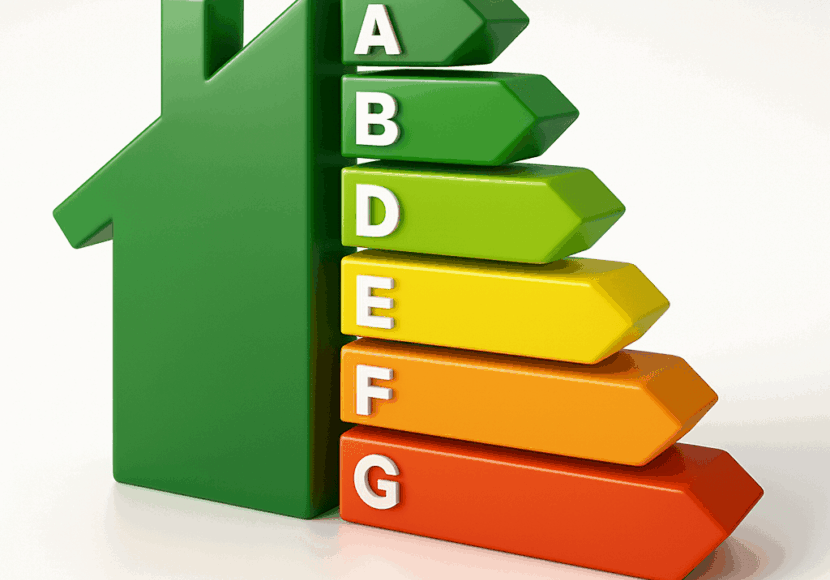
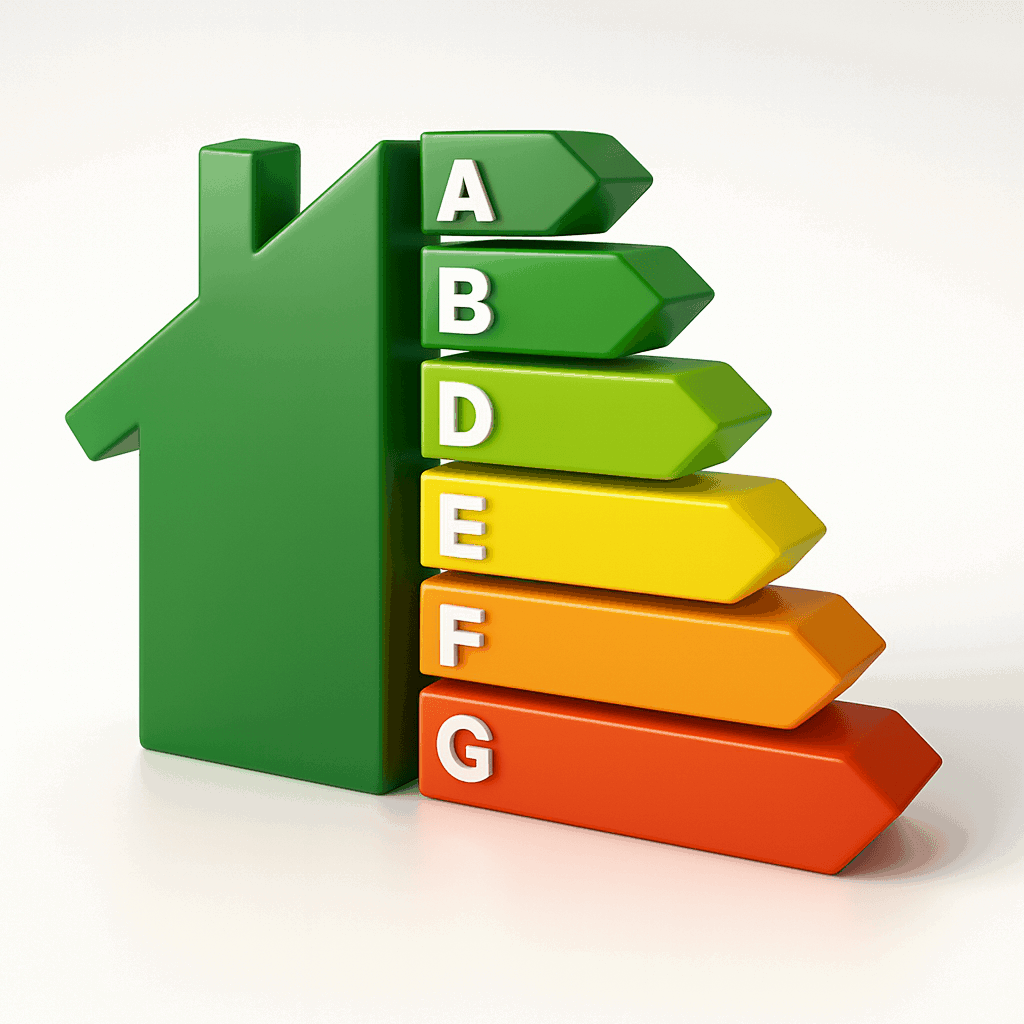
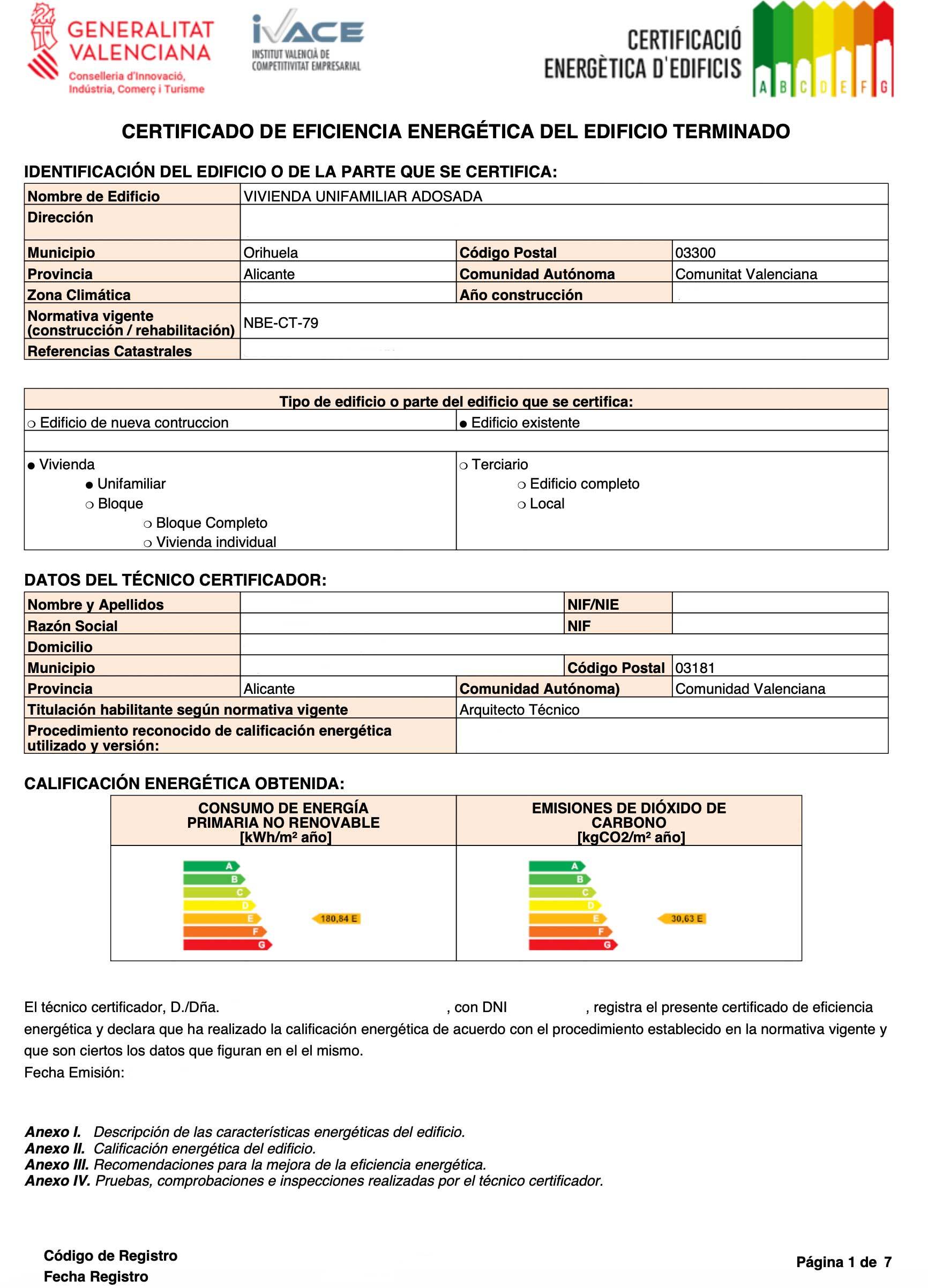
The Energy Performance Certificate (EPC) has been mandatory in Spain since 2013 for selling or renting properties. It rates energy efficiency from A (very efficient) to G (very inefficient) and plays an important role in the Spanish real estate market.
Current regulations
All properties for sale or rent must have a valid EPC. The certificate is generally valid for 10 years, except for G-rated properties (5 years).
Since August 2025, banks and appraisers also use the EPC for mortgage valuations, which can influence property value, transaction speed, and mortgage conditions.
Future obligations
The EU framework aims for climate-neutral homes by 2050. Spain has set its own deadlines:
2030: minimum E rating for properties sold or rented.
2033: a D rating becomes the standard.
2050: all homes must be climate-neutral, with net-zero greenhouse gas emissions.
Note: Currently, about 82% of Spanish homes are rated E, F or G, meaning substantial improvements are needed to meet the 2030 and 2033 targets. Only time will tell if these goals are achievable. Policy changes may occur, but no official announcements have been made yet.

Consequences of non-compliance
Homeowners who do not present a valid EPC, or who sell or rent homes with a too-low energy rating, may face several consequences:
Sale and rental restrictions: Properties with a rating below E may potentially face restrictions from 2030 onward.
Decrease in market value: A low energy rating can negatively affect the property's market value and rental attractiveness.
Fines: Failing to provide a valid EPC can result in penalties ranging from €300 to €6000, depending on the region.

Improvement measures
Homeowners can improve their property's energy efficiency through various actions:
Enhancing insulation in roofs, walls and floors. Replacing windows with high-quality double or triple glazing.
Installing energy-efficient systems, such as solar panels, heat pumps, or other energy-friendly heating and cooling systems.
Tips for buyers and renters
When buying or renting a property in Spain, it is important to consider the EPC:
New builds: Often already energy-efficient and generally have a high rating.
Existing properties: Consulting the EPC is increasingly important to understand the property's current condition and to anticipate what needs to be considered in the future.
Detached homes vs apartments: Renovations in apartments can be more complicated due to shared spaces, whereas detached homes generally offer more flexibility for insulation and energy improvements.

Given that approximately 82% of Spanish homes currently hold an E, F, or G rating, significant improvements are necessary to meet the 2030 and 2033 goals. While the European Union has set ambitious targets, their practical feasibility remains to be seen, only time will tell if these objectives are fully achievable.
Taking proactive steps now to improve energy efficiency can help homeowners avoid potential issues in the future, increase property value, and prepare for upcoming legal and market requirements.